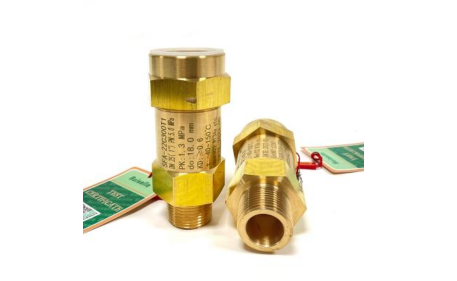

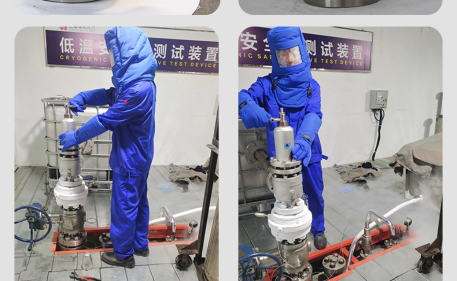
Two Lines of Defense, One Safety Objective Liquid hydrogen boils at -253℃, and liquid helium can reach as low as -269℃. In this extreme cryogenic range, engineering safety depends on two complementary lines of defense, both of which are closely rel...

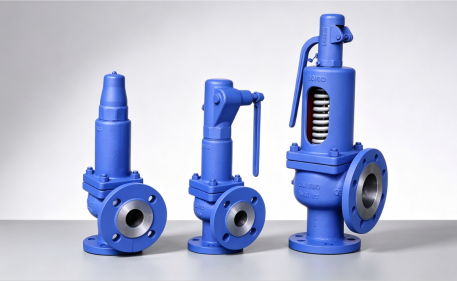
Understanding the difference between gauge pressure and absolute pressure is the core foundation for accurate pressure relief valve (PSV), spring‑loaded safety valve, and rupture disc selection. For engineers and procurement teams in oil & gas, c...
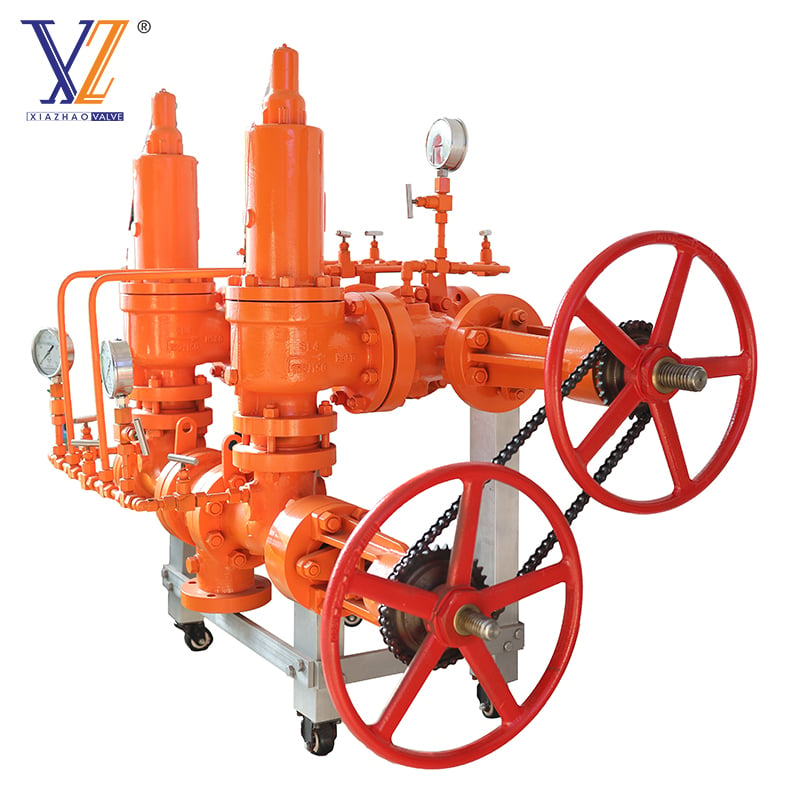
Abstract Safety change-over valve (safety selector valve) is a core dual-PRV manifold assembly widely adopted across global oil & gas refineries, natural gas processing plants, petrochemical complexes, LNG terminals, offshore FPSO, power stati...
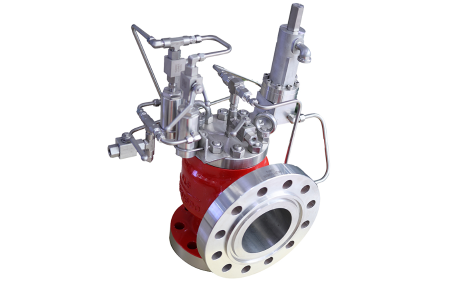
Abstract Hydrocarbon gas (HC Gas) is a prevalent hazardous medium widely utilized in natural gas processing, petrochemical refining, and gas transmission industries, characterized by flammability, explosiveness, and stringent fugitive emission contro...
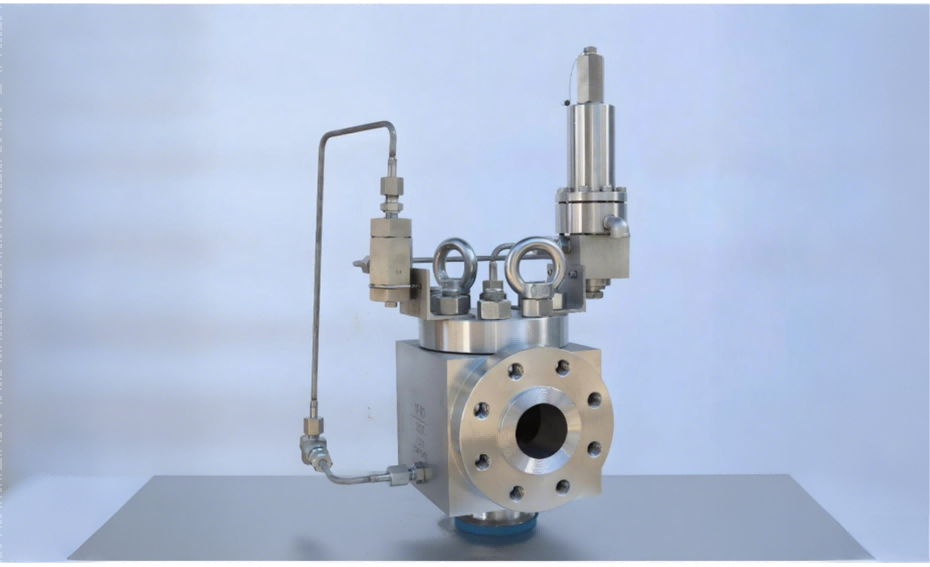
Case Introduction:The PN1000 pilot valve is a high-pressure solution designed for rigorous oilfield operations, particularly at wellhead pipelines where precise flow and pressure control are critical. This case study evaluates its on-site performance...
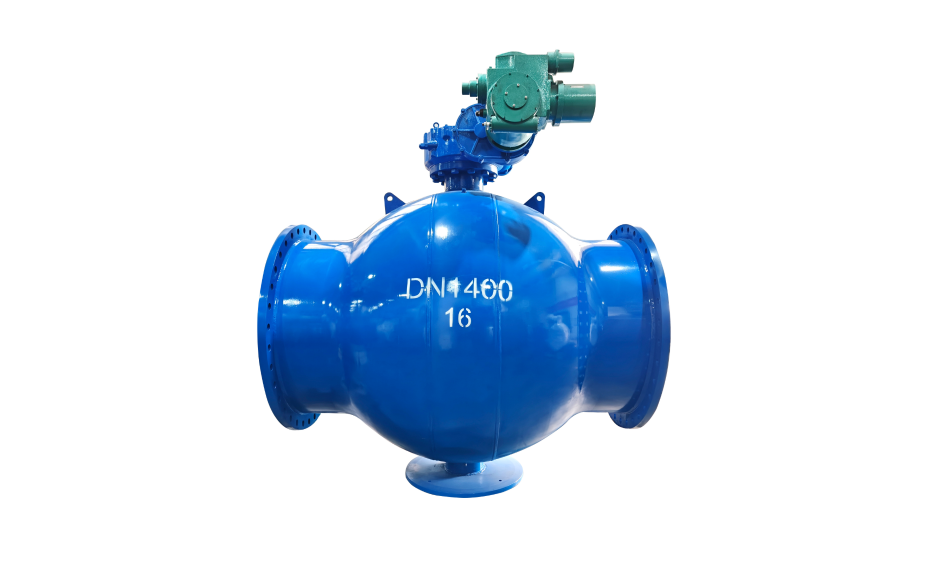
High-pressure ball valves are pivotal components in critical infrastructure, ensuring reliable flow control in natural gas transmission and potable water supply systems. These valves operate under stringent conditions, demanding precision in sealing,...
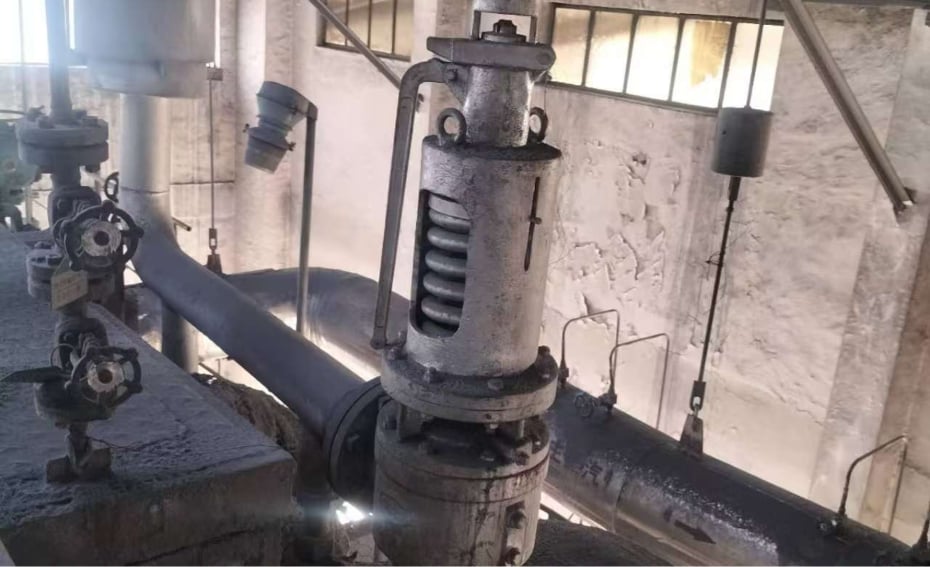
Safety valves are critical components in power plants, acting as the final line of defense against overpressure in boilers, turbines, and steam piping systems operating at extreme temperatures (e.g., >530°C) and pressures . Their reliable perf...
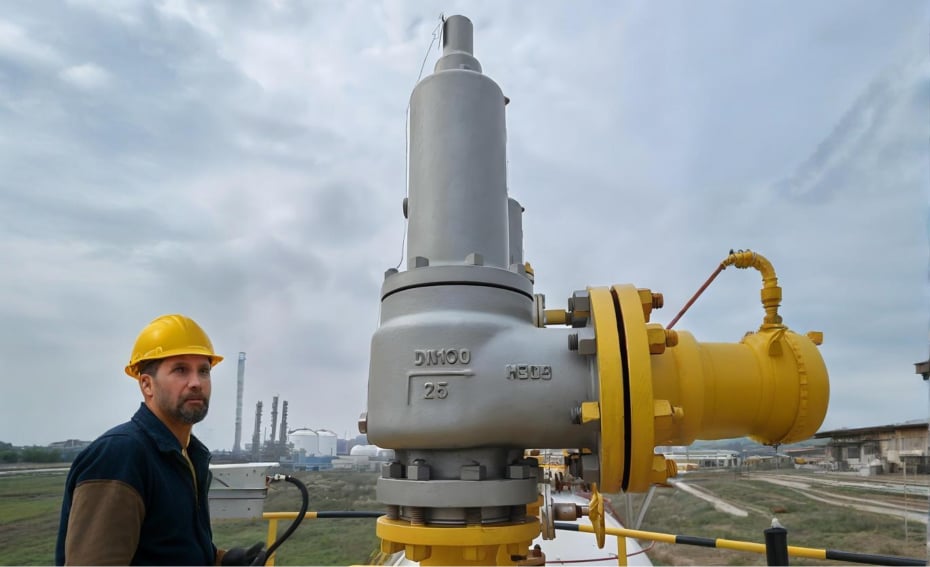
In chemical processing plants, safety valves are the first line of defense against overpressure incidents in pipelines, reactors, and storage systems. Their role in preventing catastrophic failures, ensuring operational continuity, and safeguarding p...

Shanghai Xiazhao Valve Co., LTD. provides high-performance ball and safety valves for petrochemical, natural gas, and industrial automation. Our API 6D, ANSI 600LB, and fire-safe designs ensure reliability. 95% on-time delivery. Request a quote.
Building 12, 6133 Huyi Road, Jiading District, Shanghai
Copyright © 2026 China Shanghai Xiazhao Valve Co., LTD. All rights reserved. Privacy Policy
 EN
EN